
The question “What does sigma male mean?” has surged across social media platforms, sparking countless debates and self-identification posts from young men seeking to understand their place in modern masculine culture. This internet-born personality archetype describes men who operate independently outside traditional social hierarchies, preferring solitude and self-reliance over group dynamics and social validation. Unlike the dominant “alpha male” who seeks leadership and social status, understanding the meaning of sigma male reveals a framework appealing to introverted men who view themselves as successful lone wolves charting their own path. Exploring the definition of sigma male requires looking beyond simple definitions to understand why this framework resonates so powerfully with a generation of men navigating identity, connection, and mental health challenges.
The appeal of asking what sigma male means reflects deeper questions about masculine identity in an era of social isolation and changing gender expectations. Young men increasingly turn to personality frameworks like the sigma male archetype to make sense of their social experiences, particularly when they feel disconnected from traditional masculine models that emphasize extroversion, dominance, and competitive group dynamics. However, mental health professionals recognize that while exploring the meaning of sigma male can be part of healthy identity development, rigid fixation on labels sometimes masks underlying issues, including depression, social anxiety, or attachment difficulties. This exploration examines the archetype’s defining traits, its psychological appeal, and when interest in personality typologies signals the need for professional mental health support rather than self-categorization.

The Sigma Male Personality: Traits and Characteristics of the Lone Wolf Archetype
When people ask “What does sigma male mean?” they’re typically referring to a specific constellation of sigma male personality traits centered on independence, self-sufficiency, and non-conformity to social expectations. The archetype describes men who operate with quiet confidence outside traditional social hierarchies, neither seeking to dominate groups like alpha males nor accepting subordinate positions. Core characteristics associated with the lone wolf personality type include a strong preference for solitude, emotional self-control and restraint, resistance to peer pressure and social conventions, internal validation rather than external approval-seeking, and achievement-oriented behavior that doesn’t require audience or recognition. These men are portrayed as self-reliant individuals who build success on their own terms and feel comfortable operating independently without needing group membership for identity or security. Understanding what sigma male means reveals that these individuals possess leadership qualities and confidence similar to alphas but express them through autonomy rather than social dominance, making them appealing role models for introverted men who don’t identify with extroverted masculine stereotypes.
The distinction between sigma males and traditional extroverted leadership models lies primarily in their relationship to social structures and validation sources. While alpha males derive confidence and identity from their position within social hierarchies—leading groups, commanding attention, and seeking status recognition—sigma males build identity through autonomy and self-direction. These introverted masculine archetypes appeal to young men whose personality naturally trends toward introversion but who still want to see themselves as confident and successful. However, mental health professionals note that while introversion and independence are healthy personality traits, the idealization of emotional isolation can sometimes reinforce unhealthy patterns of avoidance, loneliness, or difficulty with vulnerability and intimacy. Understanding signs of sigma male behavior requires balancing appreciation for diverse masculine expressions with recognition that human beings fundamentally need connection, and that true confidence comes from authentic self-knowledge rather than adherence to any rigid archetype.
| Trait Category | Sigma Male Characteristics | Psychological Context |
|---|---|---|
| Social Orientation | Prefers solitude, selective relationships, operates outside hierarchies | May reflect healthy introversion or avoidant attachment patterns |
| Emotional Expression | Self-controlled, emotionally reserved, internal processing | Can indicate emotional regulation skills or suppression issues |
| Validation Source | Internal standards, self-directed goals, minimal need for approval | Healthy autonomy versus defensive independence from rejection fear |
| Achievement Style | Independent success, non-competitive, personal excellence focus | Can represent authentic values or withdrawal from social challenges |
What Does Sigma Male Mean Compared to Alpha Male: Understanding Distinctions in Social Hierarchy
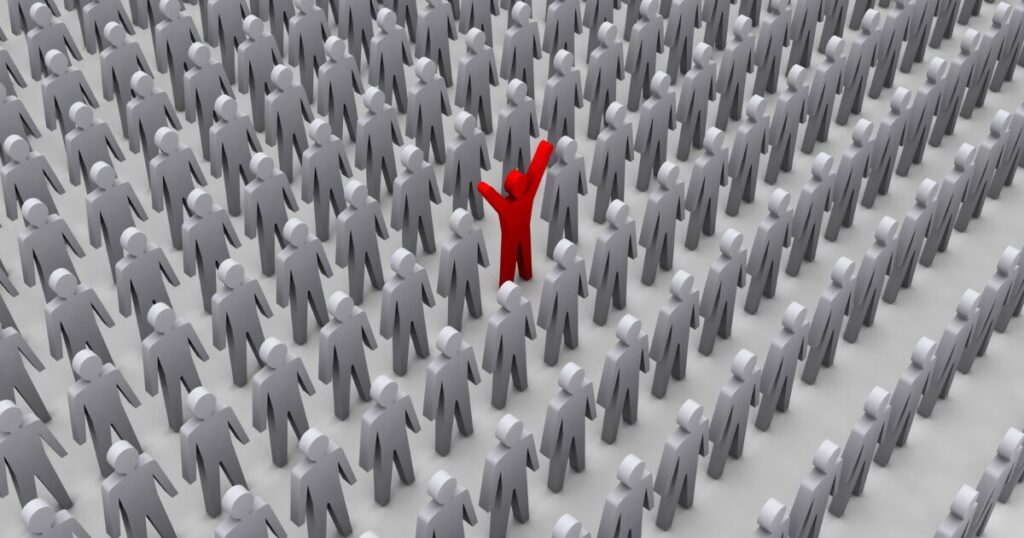
How to understand male personality archetypes? The comparison between alpha male vs sigma male differences forms a central part of understanding the definition of sigma male within the broader context of male social hierarchy psychology. Alpha males are characterized by overt dominance-seeking behavior, desire for social leadership positions, competitive drive for status within group structures, and validation derived from recognition and admiration from others. In contrast, exploring what sigma male means reveals men who possess similar confidence and capability but express it through independence rather than dominance, preferring to operate outside social hierarchies entirely rather than climbing them. This distinction resonates particularly with young men who feel pressured by traditional masculine expectations but don’t see themselves as subordinate or less capable—the sigma framework offers an alternative narrative where choosing independence over social competition represents strength rather than weakness.
However, mental health professionals recognize that while these frameworks can help individuals understand personality preferences, they dramatically oversimplify complex human psychology and relationship dynamics. The appeal of frameworks like sigma male often stems from navigating social anxiety and peer pressure—the archetype provides permission to avoid challenging social situations by reframing avoidance as intentional independence. Young men struggling with social skills, rejection sensitivity, or anxiety about group dynamics may find comfort in identifying as sigma males because it transforms their difficulties into a chosen lifestyle rather than areas for growth. The comparison framework can become problematic when it prevents genuine self-exploration, reinforces black-and-white thinking about personality, or substitutes labels for the harder work of understanding male personality archetypes through authentic needs, fears, and relationship patterns. Real human personality exists on spectrums rather than in categories, and healthy masculine identity development involves integrating both autonomy and connection, both confidence and vulnerability, rather than rigidly adhering to any single archetype.
- Social engagement approach: Alphas seek leadership within groups and derive energy from social interaction, while sigmas prefer minimal group involvement and recharge through solitude, reflecting fundamental differences in how these archetypes relate to social structures and hierarchy.
- Validation and recognition needs: Alpha males typically require external validation through status, admiration, and social position, whereas sigma males are described as internally validated, finding satisfaction in personal achievement regardless of recognition or audience.
- Competition and dominance orientation: The alpha archetype emphasizes competitive drive and establishing dominance within social hierarchies, while sigma males are portrayed as non-competitive individuals who achieve success without engaging in social competition or power dynamics.
- Relationship to social expectations: Alpha males generally work within and benefit from traditional social structures and masculine norms, whereas sigma males are defined by their rejection of these expectations and creation of alternative paths to success and fulfillment.
Why Young Men Identify With Sigma Male and Other Personality Archetypes
Why do men identify with personality types like the sigma male? Understanding this reveals important insights about contemporary masculine identity struggles and mental health challenges facing young men today. The question “What does sigma male mean?” has gained traction during a period of unprecedented social isolation, particularly following pandemic-era disruptions that replaced face-to-face relationships with digital interactions. Young men experiencing confusion about masculine expectations—navigating contradictory messages about traditional masculinity, evolving gender roles, and appropriate emotional expression—often turn to personality frameworks as roadmaps for self-understanding and social navigation. These introverted masculine archetypes provide structure during identity formation, offering clear characteristics and behaviors to emulate when authentic role models or mentorship may be lacking. The psychological need for categorization and self-definition intensifies during adolescence and young adulthood, and internet personality typologies fill this need by providing immediate, accessible frameworks. For men struggling with low self-esteem, social anxiety, or feelings of inadequacy compared to traditional masculine ideals, understanding the meaning of sigma male offers a narrative that reframes their experiences as chosen strength rather than social failure.

Social media algorithms significantly amplify concepts like sigma male by creating echo chambers where these ideas are constantly reinforced through recommended content, creating the illusion that these archetypes represent universal truths rather than internet-originated frameworks. This algorithmic reinforcement can transform casual interest into rigid self-identification, where individuals begin filtering all their experiences through the sigma lens and making life decisions based on conforming to archetype expectations rather than authentic self-discovery. Mental health professionals recognize that fixation on personality labels sometimes signals deeper concerns, including depression manifesting as social withdrawal, social anxiety being rationalized as intentional independence, or attachment issues preventing healthy relationship formation. When interest in concepts like sigma male accompanies persistent isolation, difficulty forming meaningful relationships, low self-worth, or avoidance of situations that trigger anxiety, these may indicate underlying mental health conditions that would benefit from professional therapeutic support rather than self-categorization.
| Why Men Identify | Healthy Expression | Potential Mental Health Concern |
|---|---|---|
| Identity exploration during development | Trying on different self-concepts while remaining flexible | Rigid adherence preventing authentic self-discovery |
| Validation for introverted preferences | Accepting natural temperament without judgment | Rationalizing social avoidance rooted in anxiety |
| Alternative to traditional masculinity | Finding authentic masculine expression | Rejecting vulnerability and emotional connection |
| Framework for relationship patterns | Gaining perspective on social dynamics | Oversimplifying complex human interactions |
Building Authentic Confidence Beyond Personality Labels at Treat Mental Health California
While exploring what sigma male means can be part of normal identity development, rigid self-categorization often prevents the genuine self-discovery and healthy relationship development that lead to lasting confidence and well-being. Young men who define themselves primarily through personality archetypes may unconsciously limit their growth by conforming to archetype expectations rather than exploring their authentic preferences, needs, and potential. The therapeutic alternative to frameworks like sigma male involves evidence-based approaches that help individuals understand their unique patterns, develop emotional awareness, build genuine social confidence through gradual exposure and skill development, and integrate both independence and healthy connection rather than choosing one extreme. Mental health treatment recognizes that signs of sigma male behavior, like preference for solitude, emotional reserve, and independence, can be healthy traits when balanced with capacity for vulnerability, meaningful relationships, and flexibility in different contexts. However, when these traits become rigid defenses against intimacy, mask social anxiety or depression, or prevent individuals from meeting fundamental human needs for connection and belonging, professional support can help address the underlying issues rather than simply reinforcing the protective identity.
Treat Mental Health California provides compassionate, specialized support for young men struggling with identity formation, social connection challenges, and the mental health concerns that often underlie fixation on personality frameworks. Our evidence-based treatment programs address the root causes of social anxiety, depression, attachment difficulties, and masculine identity confusion rather than simply accepting self-imposed labels as final answers. Through individual therapy, group process work, and skill-building interventions, young men learn to develop authentic confidence based on self-knowledge and genuine capability rather than adherence to internet archetypes. We help clients explore these questions in depth, develop emotional awareness and expression skills, build healthy relationship patterns, and integrate their natural temperament with the human need for connection and community. Treatment at Treat Mental Health California offers a path from self-limiting labels to genuine self-understanding, from defensive independence to balanced autonomy, and from online identity frameworks to lived confidence rooted in authentic experience and healthy relationships.
FAQs About Sigma Male Personality and Male Archetypes
What does sigma male mean in simple terms?
The term sigma male refers to an internet personality archetype describing men who operate independently outside traditional social hierarchies, preferring solitude and self-reliance over group dynamics and social validation. The concept originated in online communities as an alternative to the alpha male framework, appealing to introverted men who don’t identify with dominant, extroverted leadership models but still want to see themselves as confident and successful.
What are the main sigma male personality traits that define this archetype?
Common sigma male personality traits include strong independence and self-sufficiency, emotional self-control and restraint, preference for solitude over group activities, non-conformity to social expectations and peer pressure, quiet confidence without need for external validation, and achievement-oriented behavior that doesn’t require audience or recognition. These individuals are often described as lone wolves who succeed on their own terms without seeking leadership positions or status within social groups.
How is sigma male different from alpha male?
While alpha males are characterized by overt dominance, social leadership, competitive hierarchy-climbing behavior, and validation derived from group recognition, sigma males are described as equally confident but operating outside social structures entirely. Alphas seek positions of power within groups and derive energy from social interaction, whereas sigmas prioritize autonomy and find fulfillment through independent achievement rather than social status.
Why do so many young men identify with the sigma male concept and similar personality archetypes?
Young men often gravitate toward personality frameworks like sigma male during periods of identity formation, especially when experiencing social anxiety, isolation, confusion about masculine expectations, or pressure from traditional gender roles. These archetypes provide structure and language for self-understanding, offering validation for men whose natural temperament doesn’t align with extroverted, dominant masculine stereotypes, though fixation on rigid labels can sometimes mask underlying mental health concerns.
When does interest in male personality archetypes indicate a mental health concern requiring professional support?
If identifying with concepts like sigma male accompanies persistent social isolation, difficulty forming meaningful relationships, low self-esteem, anxiety about social situations, depression, or avoidance patterns that interfere with life goals, it may signal deeper issues worth exploring with a mental health professional. Healthy self-exploration differs from rigid self-labeling that limits personal growth, replaces genuine human connection with online communities, or serves as a rationalization for avoiding challenges that trigger underlying anxiety or attachment difficulties.