

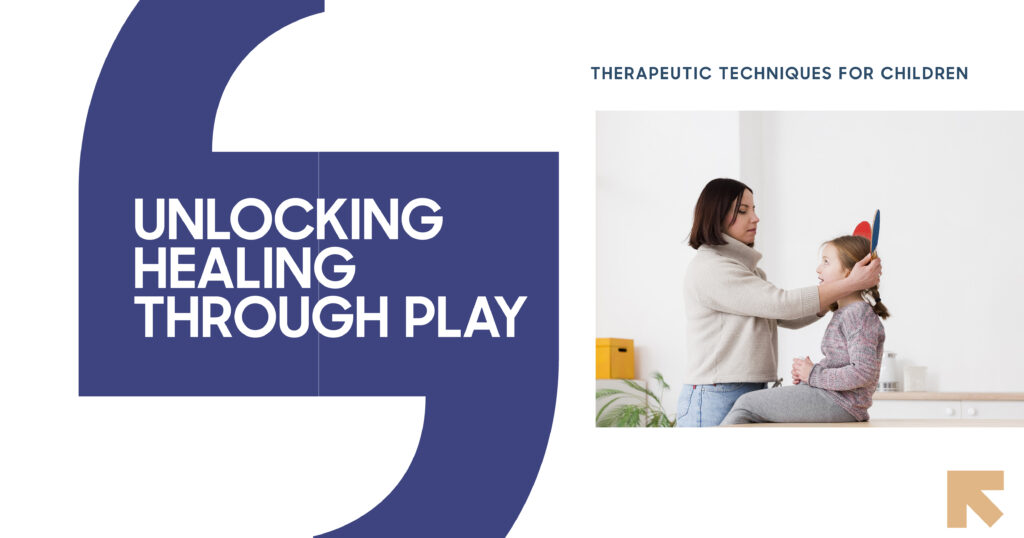
Children communicate in ways words cannot capture. Through play, they build worlds, express emotions, and process experiences too complex for language. When life brings trauma, change, or confusion, play therapy provides a bridge — a safe space where children can explore their feelings and rediscover security through imagination and interaction.
Understanding Child Development and Mental Health
Every child’s emotional and cognitive development unfolds uniquely, influenced by genetics, environment, and the relationships they have. Early childhood experiences—positive or adverse—shape how children view the world and themselves. When safety or stability is disrupted, it can affect their ability to trust, self-regulate, and connect with others.
Children may not always express distress verbally, but they often show it through their behavior, such as clinginess, aggression, withdrawal, or regression in developmental milestones. That’s where child counseling becomes essential—helping children understand their emotions and build tools to navigate them safely.
How Early Experiences Shape Emotional Well-Being
The first years of life lay the foundation for emotional health. During this time, the brain rapidly develops neural connections based on relationships and experiences. Exposure to chronic stress, neglect, or trauma can disrupt these pathways, influencing how a child perceives safety, love, and control.
Therapeutic interventions such as play therapy help reestablish these emotional connections, offering a structured yet creative way to rebuild trust and self-expression. By engaging with a compassionate therapist, children learn that emotions—no matter how big—can be understood, managed, and shared.

Exploring the Power of Play Therapy
Play therapy uses play as a medium for communication and healing. Instead of relying on verbal expression, it allows children to act out feelings, process trauma, and practice problem-solving through imagination.
According to the Association for Play Therapy (APT), structured play sessions help children confront emotional difficulties safely, using metaphors, storytelling, and role play. Toys, art supplies, puppets, and sand trays become tools of expression—each symbolizing thoughts and experiences too abstract to verbalize.
The Role of Therapeutic Play in Emotional Healing
Therapeutic play supports emotional healing by allowing children to externalize inner conflicts. For example, a child who experienced loss might repeatedly play out “goodbye” scenes, gradually finding closure through repetition. Others might use drawing or building blocks to regain a sense of control over their world.
The process isn’t about distraction—it’s about transformation. By reenacting scenarios and making choices, children develop emotional insight, resilience, and coping skills that translate into real-life confidence.
Expressive Therapy Techniques for Children
Not all children respond the same way to talk-based therapy. That’s why expressive therapy—which includes art, music, movement, and play—is especially effective for younger minds still developing language and self-awareness.
These therapies engage multiple parts of the brain, promoting emotional release and self-expression through sensory experiences. They allow children to transform abstract feelings like fear or sadness into something visible and manageable.
Integrating Art, Music, and Movement for Healing
Different forms of expressive therapy cater to different needs:
| Expressive Therapy | How It Works | Benefits for Children |
| Art Therapy | Uses drawing, painting, or sculpting to express emotions symbolically | Encourages creativity, self-awareness, and safe expression of difficult feelings |
| Music Therapy | Incorporates rhythm, song, and sound to explore emotions | Reduces anxiety, improves mood, and enhances communication skills |
| Movement Therapy | Uses dance or body movement to process emotions physically | Helps release tension, improves body awareness, and restores confidence |
| Sand Tray Therapy | Children create miniature worlds in sand to act out stories | Builds narrative understanding and emotional integration through symbolic play |
Behavioral Therapy Approaches for Trauma Recovery
Trauma can manifest in children as sudden mood swings, aggression, sleep disturbances, or avoidance behaviors. Behavioral therapy helps identify these patterns and teaches new, positive ways to respond.
One of the most effective methods is Cognitive Behavioral Therapy (CBT) for children, which helps them understand the connection between thoughts, feelings, and behaviors. Therapists use age-appropriate techniques like storytelling, games, and role-play to reframe negative thinking patterns.
In trauma recovery, behavioral therapy may also include exposure-based methods that gently help children confront triggers in safe, controlled ways—replacing fear with understanding. The goal isn’t just to reduce symptoms but to build emotional flexibility and confidence.
Supporting Family Involvement in the Healing Process
Children thrive in stable, nurturing environments. Family involvement is a crucial part of trauma recovery and ongoing emotional support. Parents and caregivers learn strategies to reinforce progress made in therapy—such as positive reinforcement, calm communication, and consistent routines.
Family therapy sessions often explore relational dynamics, teaching caregivers how to interpret behavioral cues and respond with empathy rather than frustration. This collaboration strengthens trust, ensuring that healing extends beyond the therapy room and into the child’s everyday life.
Comprehensive Child Counseling at Treat Mental Health California
At Treat Mental Health California, we specialize in child counseling and trauma-informed care that meets each child where they are. Our clinicians blend play therapy, expressive arts, and behavioral approaches to create individualized treatment plans tailored to developmental stages and emotional needs.
Our child-centered approach combines compassion with clinical expertise—creating a nurturing space where every child feels valued, understood, and empowered to heal.
Healing begins with play, but it grows through connection. Contact Treat Mental Health California today to learn more about our specialized child therapy programs and how we can help your child thrive.
FAQs
How does child counseling contribute to emotional healing and development?
Child counseling provides a safe, supportive environment where children can express emotions, process experiences, and build self-awareness. It promotes healthy emotional development and resilience.
What are the benefits of using therapeutic play in mental health support for children?
Therapeutic play helps children communicate feelings they can’t verbalize, release emotional tension, and rebuild confidence. It turns play into a pathway for healing and understanding.
Which expressive therapy techniques are most effective for child emotional healing?
Art, music, movement, and sand tray therapies encourage creative expression, emotional release, and problem-solving. Each helps children process complex emotions in developmentally appropriate ways.
How can behavioral therapy aid in trauma recovery for children?
Behavioral therapy helps children identify unhelpful behaviors and replace them with healthier responses. It empowers them to manage anxiety, improve communication, and regain emotional control.
What strategies can families use to provide ongoing mental health support for their children?
Families can foster open communication, consistent routines, and positive reinforcement. Participating in therapy and modeling emotional regulation are key to supporting long-term healing.