

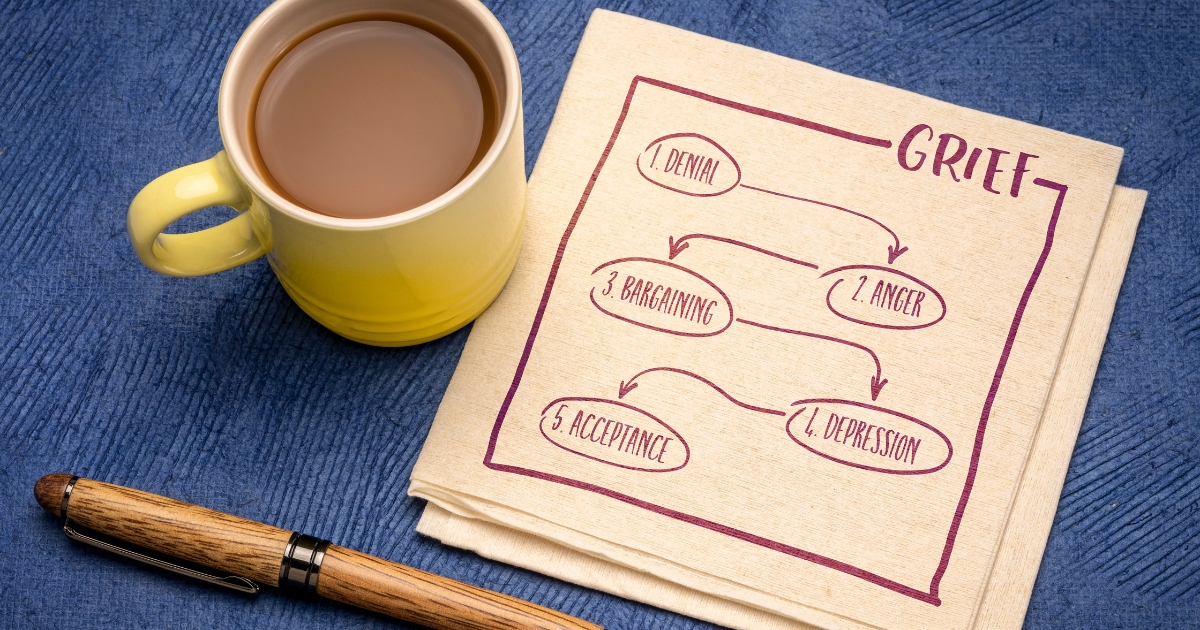
Grief is a universal human experience, yet the ways people respond to loss can vary dramatically. The denial stage of grief, often described as the first of the five stages, serves as a psychological buffer when confronted with overwhelming pain. While this response is natural, understanding its boundaries is essential. For many, this initial disbelief is temporary and protective, allowing the mind to absorb the reality of loss gradually. However, denial can sometimes persist far beyond its adaptive function, transforming from a normal grief response into a mental health crisis that requires professional intervention.
Understanding when denial shifts from healthy coping to unhealthy avoidance is essential for anyone navigating bereavement or supporting someone through it. This blog examines what happens during the denial stage, how to recognize when it becomes clinically significant, and what evidence-based treatment approaches can help individuals move toward acceptance and healing.
What Happens During the Denial Stage of Grief
When someone experiences a significant loss, the brain activates denial as a protective mechanism to prevent emotional overload. This response is not conscious deception but rather an automatic psychological defense that allows the person to process devastating news in manageable increments. During this stage, individuals may refuse to believe the death occurred, continue daily routines as though the person is still alive, or avoid any reminders of the loss.
Common Manifestations of Denial
Common manifestations include speaking about the deceased in the present tense, setting a place at the table for them, or expecting them to walk through the door at any moment. Others may intellectually accept the death but emotionally remain disconnected from its meaning.
How long does denial last after death? For most people, acute denial begins to soften within days to weeks as the reality of loss gradually integrates into conscious awareness. The duration varies based on several factors: the suddenness of the death, the nature of the relationship, prior experiences with loss, available support systems, and individual psychological resilience.
Signs Someone Is in Denial About Loss and When It Becomes Unhealthy
Not all denial is pathological. In the immediate aftermath of loss, a degree of disbelief is both normal and adaptive, giving the mind time to adjust. Adaptive denial gradually gives way to other grief responses as the person begins to engage with the reality of loss.
Behavioral signs include avoiding places or conversations associated with the deceased, refusing to sort belongings, or becoming angry when others mention the death. Emotional indicators may involve numbness, detachment, or an inability to cry even when wanting to. Cognitively, the person may repeatedly forget that the death occurred, make plans involving the deceased, or construct elaborate rationalizations to avoid accepting reality.
When does denial become unhealthy grief? Several red flags indicate the need for professional support:
- Using alcohol or drugs to numb feelings and avoid confronting the loss
- Complete inability to discuss the death or acknowledge the person is gone, many months after the loss
- Experiencing suicidal thoughts or expressing a desire to die to reunite with the deceased
- Severe functional impairment, such as the inability to work, maintain relationships, or care for oneself
- Development of clinical depression or anxiety disorders that interfere with daily life
- Physical health decline due to neglecting self-care, medical appointments, or nutrition
If you or someone you know is experiencing suicidal thoughts or is in crisis, call or text 988 to reach the Suicide & Crisis Lifeline, available 24/7.
| Adaptive Denial | Maladaptive Denial |
|---|---|
| Temporary shock lasting days to weeks | Persistent avoidance lasting many months or years |
| Gradual acknowledgment of reality emerges | Active resistance to accepting the loss continues |
| Allows basic functioning and self-care | Interferes with work, relationships, or health |
| Part of the normal grief trajectory | May indicate complicated grief disorder |
Moving Through Denial to Acceptance
The journey from denial to acceptance is rarely linear. The denial stage of grief does not follow a neat progression but rather involves cycling through various emotional states, sometimes returning to denial even after periods of acceptance.
Evidence-Based Coping Strategies
Coping with denial after losing a loved one requires patience and often benefits from structured support. Evidence-based strategies include grief counseling, where a trained therapist helps individuals gradually confront the reality of loss in a safe environment. Support groups connect bereaved individuals with others who understand their experience, reducing isolation and providing models of healthy grief processing. Gradual exposure to loss reality might involve visiting the gravesite, looking at photos, or talking about memories—activities initially avoided but necessary for integration.
Meaning-making activities help transform loss into something bearable by finding purpose or growth within the experience. This might involve volunteering for a cause the deceased cared about, creating a memorial project, or identifying ways the relationship continues to influence one’s life. Professional treatment for the denial stage of grief provides structured support when self-directed coping proves insufficient.
| Therapeutic Approach | How It Addresses Denial | Best For |
|---|---|---|
| Cognitive-Behavioral Therapy | Challenges, avoidance patterns, and thought distortions | Individuals with anxiety or depression alongside grief |
| Prolonged Grief Therapy | Focuses on restoring functioning and processing loss | Those meeting criteria for complicated grief disorder |
| Trauma-Focused Interventions | Addresses traumatic aspects of sudden or violent death | Survivors of traumatic loss with PTSD symptoms |
| Medication Management | Treats co-occurring depression or anxiety disorders | Individuals with clinical mental health conditions |
Professional intervention is warranted when denial prevents someone from meeting basic responsibilities, when substance use becomes a coping mechanism, or when suicidal thoughts emerge. Therapists trained in grief work can assess whether symptoms meet criteria for complicated grief disorder and recommend appropriate treatment intensity. In some cases, outpatient therapy suffices, while others may benefit from intensive outpatient programs or residential treatment, particularly when co-occurring mental health conditions complicate the picture. Denial and avoidance in bereavement often overlap, with someone intellectually knowing a person died but actively avoiding situations that would force emotional confrontation with that fact.

Finding Your Way Forward After Loss at Treat Mental Health California
Recognizing when grief has moved beyond normal bereavement into a mental health crisis is not always easy. If you or someone you care about has been unable to accept a loss for many months, if daily functioning has deteriorated significantly, or if dangerous coping mechanisms have emerged, professional support can provide a path toward healing. Treat Mental Health California specializes in addressing complicated grief alongside co-occurring mental health conditions such as depression, anxiety, and substance use disorders. Our evidence-based treatment approaches include individual therapy, group support, and psychiatric care tailored to each person’s unique needs. Grief does not follow a timeline, but it should not trap you indefinitely. Reaching out for help is not a sign of weakness but a courageous step toward reclaiming your life while honoring the memory of those you have lost. Contact our team today to learn how we can support you through this difficult journey.
FAQs
Below are answers to common questions about denial in the grief process.
1. How long does the denial stage of grief typically last?
For most people, acute denial lasts from a few days to several weeks following a loss. However, duration varies widely based on factors such as the nature of the relationship, whether the death was sudden or expected, and individual psychological resilience. If denial persists beyond several months and interferes with daily functioning, it may indicate complicated grief requiring professional evaluation.
2. What is the difference between denial and acceptance in the grief process?
The difference between denial and acceptance lies in how someone relates to the reality of loss. Denial involves an inability or refusal to acknowledge that the death occurred, often accompanied by behaviors suggesting the person is still alive. Acceptance means recognizing the permanence of the loss while learning to live with it. Acceptance allows for continued connection to the deceased through memory while engaging fully with present life.
3. Can denial after losing a loved one trigger other mental health conditions?
Yes, prolonged denial can contribute to the development of clinical depression, anxiety disorders, or substance use problems. When someone avoids processing grief for extended periods, the unresolved emotional pain often manifests in other ways, including persistent sadness, panic attacks, social withdrawal, or using alcohol or drugs to numb feelings. Addressing denial through therapy helps prevent these secondary mental health complications and supports overall recovery.
4. How can I help someone who is stuck in denial about a death?
Supporting someone in denial requires patience and gentle persistence. Avoid forcing confrontation or criticizing their coping style, which typically increases resistance. Instead, create safe opportunities for them to talk about the deceased and their feelings when ready. Encourage participation in memorial activities at their own pace and suggest professional grief counseling if denial persists beyond several months or causes significant distress. Your consistent presence and willingness to listen without judgment provide invaluable support.
5. When should I seek professional help for grief-related denial?
Seek professional help if denial lasts many months with no signs of softening, if it prevents you from working or maintaining relationships, or if you develop concerning symptoms such as suicidal thoughts, substance abuse, or severe depression. Professional support is also appropriate if you feel stuck and unable to move forward despite wanting to, or if your physical health begins declining due to neglecting self-care. Grief therapists can assess your situation and recommend the level of care that best supports your healing.