
Online Mental Health Counseling for Remote Workers: Evidence-Based Solutions That Actually Work
Key Takeaways
- Remote work creates unique mental health risks. Isolation, blurred home-office boundaries, and always-on schedules drive loneliness, burnout, and anxiety that traditional office settings often buffer against.
- Online therapy removes the biggest barriers to care. Video, phone, and text sessions fit around a workday, eliminating travel and rigid scheduling so remote professionals can get consistent, evidence-based support.
- Proven methods work well digitally. CBT, cognitive restructuring, mindfulness, and adapted exposure therapy deliver measurable results online, with many clients reporting reduced stress within three to six weeks.
Remote work changed how millions of people live and do their jobs. It removed long commutes and gave people more flexibility. But it also brought new problems that no one fully expected. Many remote workers now deal with loneliness, burnout, and stress that never seems to go away.
Online mental health counseling has become one of the most practical answers to this growing problem. It meets workers where they are, right at home, and connects them with real professional help without the hassle of travel or rigid schedules.
Why Remote Workers Face Unique Mental Health Challenges
Remote workers carry mental health burdens that office workers often do not face in the same way. The home environment was never designed to be a full-time workplace, and that tension takes a toll over time.
The Isolation Factor in Virtual Work Environments
Working from home removes the natural social connections that an office provides. There are no hallway conversations, no lunch breaks with coworkers, and no casual check-ins. Over time, this silence builds into real loneliness.
Studies show that prolonged social isolation raises the risk of anxiety and depression. According to the National Institute of Mental Health, social disconnection is one of the strongest environmental triggers for depressive episodes in working-age adults.
Boundary Blurring Between Home and Office
When the bedroom becomes the boardroom, it is hard to mentally clock out. Remote workers often answer emails late at night or skip lunch to finish tasks. This constant blending of personal and professional life leads to exhaustion. Without a clear end to the workday, stress accumulates and recovery time disappears.
How Online Therapy Addresses Work-Related Stress and Anxiety
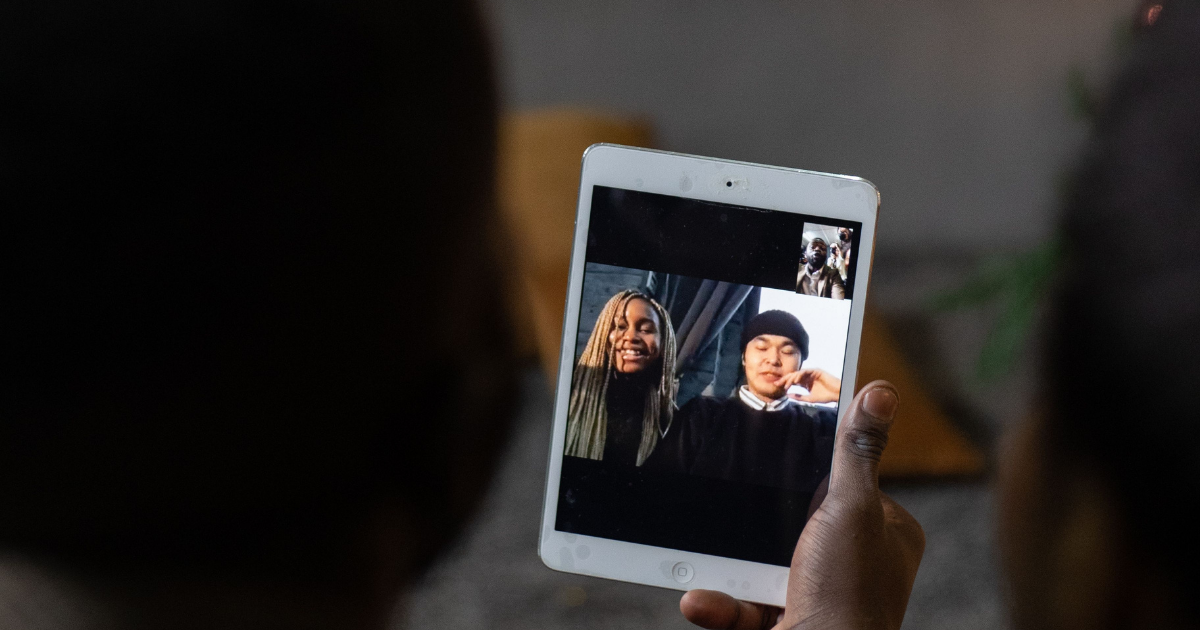
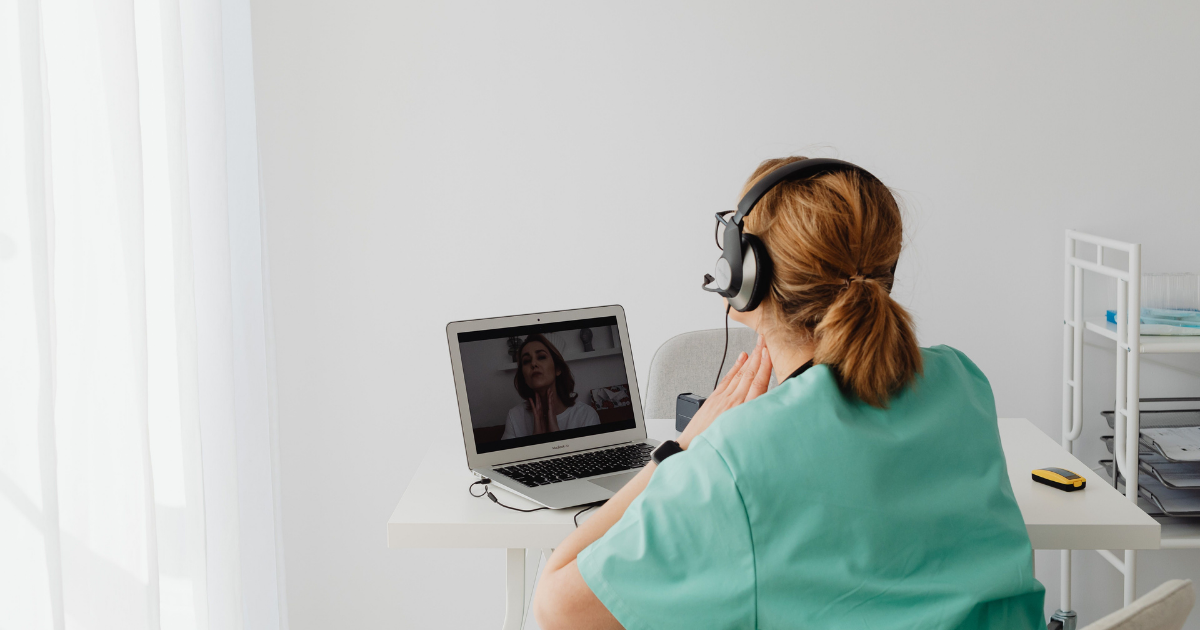
Online therapy gives remote workers a direct path to mental health support without adding more stress to their day. Sessions happen through video calls, phone calls, or even text-based messaging. A person dealing with anxiety treatment needs can schedule a session during a lunch break or after hours, fitting care around work rather than the other way around.
Accessibility of Virtual Counseling for Busy Schedules
Virtual counseling removes two of the biggest barriers to getting help: time and location. A remote worker in a rural area no longer has to drive an hour to see a therapist. Someone with a packed calendar can find a 45-minute window that actually works. This flexibility makes consistent mental health support far more achievable for people who would otherwise go without care.
Evidence-Based Approaches to Depression Therapy for Remote Professionals
Depression therapy for remote workers works best when it is built on proven methods. The following table shows the most commonly used evidence-based approaches and what each one targets:
| Therapy Type | Primary Focus | Best For |
| Cognitive Behavioral Therapy (CBT) | Changing negative thought patterns | Anxiety, depression |
| Mindfulness-Based Therapy | Present-moment awareness | Stress, burnout |
| Acceptance and Commitment Therapy | Values-based action | Emotional avoidance |
| Interpersonal Therapy | Relationship and communication | Isolation, grief |
Behavioral Therapy Techniques That Work in Digital Settings
Behavioral therapy is highly effective in online settings because it focuses on thoughts and actions, not physical presence. Therapists can guide clients through structured exercises just as effectively over video as they can in person.
Cognitive Restructuring for Work-From-Home Anxiety
Cognitive restructuring teaches a person to notice negative automatic thoughts and replace them with more balanced ones. A remote worker who thinks “I will never catch up” can learn to reframe that thought into something more realistic and manageable. This technique is a core part of CBT-based anxiety treatment and has strong research support.
Exposure Therapy Adapted for Remote Environments
Exposure therapy helps people face situations they have been avoiding. For remote workers, this might mean practicing video calls with the camera on, setting firm work-hour boundaries, or re-engaging with virtual social events. A licensed therapist guides this process step by step to prevent overwhelm.
Selecting a Licensed Therapist for Your Mental Health Support Needs
Choosing the right licensed therapist matters. Look for someone who is credentialed in your state, experienced with work-related stress, and comfortable delivering care through a digital platform.
The American Psychological Association offers a therapist locator tool that filters by specialty and telehealth availability. Ask potential therapists about their experience with remote workers specifically, and do not hesitate to try more than one before settling on the right fit.
Practical Stress Management Strategies Between Sessions
Therapy sessions are powerful, but what happens between them matters just as much. Here are daily stress management habits that support ongoing progress:
- Set a fixed start and end time for your workday and protect those boundaries.
- Take a 10-minute outdoor break at least once per day to reset your nervous system.
- Use a physical notebook to separate work tasks from personal thoughts each evening.
- Schedule one social interaction per week, even a brief video call with a friend.
- Practice a 5-minute breathing exercise before opening your laptop each morning.
Getting Started With Online Mental Health Services at Treat Mental Health California
Taking the first step toward online mental health counseling can feel difficult, but you do not have to figure it out alone. At Treat Mental Health California, our team of compassionate and licensed professionals is ready to support you through every challenge remote work brings.
Whether you are dealing with anxiety, depression, or simple burnout, we offer flexible virtual sessions designed around your life. Reach out today and let us build a care plan that fits your schedule and your goals. Contact Treat Mental Health California and begin your path to feeling better starting now.
FAQs
-
Can virtual counseling effectively treat anxiety triggered by remote work isolation?
Yes, virtual counseling directly addresses isolation-driven anxiety with proven techniques. Licensed therapists use structured methods to rebuild connection and reduce anxious thoughts. Most clients notice meaningful improvement within the first few weeks of consistent sessions.
-
How do licensed therapists adapt cognitive restructuring techniques for online therapy sessions?
Therapists use shared screens, digital worksheets, and guided prompts during video sessions. These tools make cognitive restructuring just as interactive and effective as in-person work. Clients practice new thinking patterns between sessions using simple homework assignments.
-
What makes online mental health services more accessible than traditional in-person depression therapy?
Online services remove travel barriers and allow sessions from any private, comfortable location. Flexible scheduling means workers can attend sessions without missing important work commitments. Lower overhead costs also make online depression therapy more affordable for many people.
-
How quickly can behavioral therapy reduce work-from-home stress without scheduling conflicts?
Many clients report reduced stress within three to six weeks of starting behavioral therapy. Evening and weekend slots make it easy to attend without disrupting the regular workday. Consistent weekly sessions build coping skills that lower stress levels over time.
-
Are virtual counseling platforms secure enough for discussing sensitive workplace mental health issues?
Reputable virtual counseling platforms use HIPAA-compliant encryption to protect all sessions. Your conversations with a licensed therapist remain fully private and legally confidential. Always confirm your provider uses a secure, HIPAA-approved platform before your first session.
References
- National Institute of Mental Health (NIMH) — Depression and social isolation: https://www.nimh.nih.gov/health/topics/depression
- American Psychological Association — Psychologist Locator: https://locator.apa.org
- U.S. Department of Health & Human Services — HIPAA and telehealth privacy: https://www.hhs.gov/hipaa