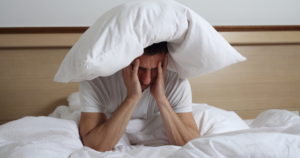


Waking up drenched in sweat, heart racing, unable to shake the vivid images that jolted you from sleep—this is the nightly reality for people living with nightmare disorder. Unlike the occasional bad dream that everyone experiences, nightmare disorder involves frequent, distressing nightmares that disrupt sleep patterns and spill over into daytime functioning. The exhaustion becomes cumulative, affecting work performance, relationships, and mental health. Many people suffer in silence, believing nightmares are something they simply have to endure, unaware that this condition has a clinical name and, more importantly, effective treatments that can provide relief.

Nightmare disorder is a recognized sleep-wake disorder characterized by repeated occurrences of disturbing dreams that cause significant distress or impairment in daily life. While occasional nightmares affect nearly everyone at some point, nightmare disorder represents a persistent pattern that interferes with sleep quality and overall well-being. The condition often coexists with trauma histories, anxiety disorders, depression, and post-traumatic stress disorder, though it can also develop independently. Understanding the difference between normal bad dreams and a clinical disorder is the first step toward getting help. This guide explores what nightmare disorder is, why it happens, how trauma plays a central role in many cases, and most importantly, the evidence-based treatments that can stop recurring nightmares and restore restful sleep.
What Is Nightmare Disorder and When Do Bad Dreams Become a Clinical Condition?
Nightmare disorder, formally defined in the DSM-5, occurs when a person experiences repeated disturbing dreams that typically involve threats to survival, security, or physical integrity. Upon awakening from a nightmare, the person becomes quickly oriented and can recall the dream content in vivid detail—a key distinction from other sleep disturbances. The frequency criterion for diagnosis requires that nightmares occur regularly enough to cause clinically significant distress or impairment in social, occupational, or other important areas of functioning. These nightmares usually happen during REM sleep, most commonly in the second half of the night when REM periods are longest and most intense.
The distinction between occasional bad dreams and nightmare disorder lies primarily in frequency, intensity, and functional impact. Most adults experience nightmares occasionally, particularly during periods of stress or after watching disturbing content before bed. These isolated incidents, while unpleasant, don’t constitute a disorder. Nightmare disorder involves a persistent pattern where the person dreads going to sleep, experiences repeated awakenings that fragment sleep architecture, and carries the emotional residue of nightmares into waking hours. The condition often creates a cycle of sleep avoidance and anxiety about sleeping, which paradoxically worsens sleep quality and can increase nightmare frequency. People with nightmare disorder frequently report difficulty returning to sleep after awakening, hypervigilance in the bedroom, and significant daytime fatigue affecting concentration, mood, and functioning.
| Characteristic | Occasional Nightmares | Nightmare Disorder |
|---|---|---|
| Frequency | Sporadic, usually stress-related | Multiple times per week or nightly |
| Impact on Sleep | Minimal disruption overall | Significant sleep fragmentation and avoidance |
| Daytime Effects | Brief emotional response, no lasting impairment | Persistent fatigue, mood changes, functional impairment |
| Dream Recall | May fade quickly upon waking | Vivid, detailed recall that persists throughout the day |
| Sleep Anxiety | Generally absent | Dread of sleep, bedtime avoidance behaviors |
Why Nightmares Happen: Trauma, Stress, and Other Root Causes
Trauma stands as the most significant risk factor for developing nightmare disorder, with research consistently showing strong associations between traumatic experiences and chronic nightmares. PTSD nightmares treatment often becomes necessary because nightmares are a hallmark symptom of post-traumatic stress disorder, affecting up to 80% of individuals with PTSD diagnoses. These trauma-related nightmares may directly replay traumatic events or present thematically related content that captures the emotional essence of the trauma. Childhood trauma, combat exposure, sexual assault, serious accidents, and witnessing violence all increase vulnerability to nightmare disorder. The sleeping brain attempts to process overwhelming experiences, which can manifest as recurring nightmares that prevent natural memory resolution.
Beyond trauma, numerous other factors contribute to what causes frequent bad dreams in adults who may not have obvious trauma histories. Certain medications, particularly some antidepressants, blood pressure medications, and drugs affecting neurotransmitter systems, can trigger or worsen nightmares as a side effect. Sleep disorders like sleep apnea create fragmented sleep patterns that increase REM rebound and nightmare frequency. Anxiety disorders and depression commonly coexist with nightmare disorder, creating bidirectional relationships where each condition exacerbates the other. Substance use and withdrawal, particularly from alcohol or sedatives, significantly disrupt sleep architecture and increase nightmare occurrence. Understanding these diverse causes helps clinicians develop targeted treatment approaches that address the specific underlying mechanisms driving an individual’s nightmares.
- Chronic stress and burnout: Prolonged activation of stress response systems disrupts normal sleep cycles and increases emotional reactivity during REM sleep.
- Unresolved trauma from any life stage: Childhood abuse, adult trauma, or accumulated adverse experiences create psychological material that the sleeping brain attempts to process through dreams.
- Comorbid mental health conditions: Depression, generalized anxiety disorder, panic disorder, and other psychiatric conditions share neurobiological pathways with nightmare disorder.
- Sleep deprivation and irregular sleep schedules: Chronic sleep restriction leads to REM rebound when sleep finally occurs, concentrating REM sleep into shorter periods.
- Medications with nightmare side effects: Beta-blockers, some antidepressants, dopamine agonists, and medications affecting acetylcholine systems can all trigger nightmares.
Evidence-Based Treatments That Stop Nightmares
Imagery rehearsal therapy for nightmares represents the gold standard psychological treatment for nightmare disorder, with robust research demonstrating its effectiveness across diverse populations. This structured approach involves selecting a recurring nightmare, writing down the narrative, then consciously changing the storyline to create a less distressing version with a neutral or positive resolution. Patients rehearse this revised dream scenario during waking hours, visualizing the new version consistently. IRT works particularly well for idiopathic nightmares and shows strong efficacy for PTSD-related nightmares when combined with trauma-focused therapy. The technique empowers patients by giving them active control over nightmare content rather than feeling helplessly subjected to disturbing dreams night after night.
For trauma-related nightmares specifically, comprehensive PTSD nightmares treatment typically requires addressing the underlying trauma through evidence-based therapies like Eye Movement Desensitization and Reprocessing (EMDR), Cognitive Processing Therapy (CPT), or Prolonged Exposure (PE) therapy. These approaches help process traumatic memories during waking hours, reducing the brain’s need to work through trauma during sleep. Medication options include prazosin, an alpha-blocker that reduces nightmares in many PTSD patients by dampening the brain’s stress response during sleep. When nightmare disorder coexists with depression, anxiety disorders, or substance use conditions, integrated treatment addressing all conditions simultaneously produces better outcomes than treating nightmares in isolation. The most effective treatment plans combine multiple evidence-based approaches tailored to each individual’s specific constellation of symptoms and underlying causes.
| Treatment Approach | Best For | Typical Timeline |
|---|---|---|
| Imagery Rehearsal Therapy | Idiopathic nightmares, chronic nightmare disorder | 3-6 weeks for significant improvement |
| Trauma-Focused Therapy (EMDR, CPT, PE) | PTSD-related nightmares, trauma survivors | 8-16 weeks for trauma processing |
| Prazosin Medication | PTSD nightmares, combat veterans | 1-4 weeks to assess effectiveness |
| Cognitive Behavioral Therapy | Nightmares with anxiety/depression | 6-12 weeks for symptom reduction |
| Integrated Treatment | Co-occurring mental health and substance use conditions | Variable, typically 3-6 months |
Immediate Relief Strategies You Can Use Tonight
While professional treatment provides lasting solutions for nightmare disorder, several evidence-informed strategies can offer immediate relief and improve sleep quality starting tonight. Optimizing your sleep environment creates physical and psychological safety cues that help reduce nightmare frequency. Keep bedroom temperature cool (65-68°F), as overheating during sleep can trigger more intense dreams and nightmares. Use soft, warm lighting in the hour before bed rather than bright overhead lights, which signal alertness to the brain. Consider using white noise machines or fans to mask disruptive sounds that might trigger awakenings. Remove or cover mirrors and reflective surfaces if they create startling visual stimuli upon waking. For trauma survivors, ensuring the bedroom feels physically secure—checking locks, having a phone nearby, positioning the bed where you can see the door—reduces hypervigilance that interferes with restful sleep.
When you wake from a nightmare, having a practiced response protocol helps you return to sleep more quickly and reduces the distress nightmares cause. The 5-4-3-2-1 grounding technique effectively brings you back to present reality by engaging your senses systematically: identify 5 things you can see, 4 you can touch, 3 you can hear, 2 you can smell, and 1 you can taste. Practice controlled breathing—inhale for 4 counts, hold for 4, exhale for 6—to activate the parasympathetic nervous system and reduce physiological arousal. You can also begin applying basic imagery rehearsal concepts independently by spending time during daytime hours recalling a recurring nightmare and consciously rewriting the ending to something neutral or positive, then visualizing this new version. These immediate strategies serve as bridges to professional treatment rather than replacements, providing some relief while you pursue comprehensive care for recurring nightmares causes.
Get Lasting Relief from Nightmare Disorder at Treat Mental Health California
If you’re asking yourself, “Why do I have nightmares every night?” it’s time to seek specialized help that addresses the root causes of your nightmare disorder rather than just managing symptoms. Treat Mental Health California offers comprehensive, trauma-informed treatment for nightmare disorder within an integrated mental health care setting. Our clinical team specializes in evidence-based approaches, including imagery rehearsal therapy, EMDR, and other trauma-focused therapies proven to reduce nightmare frequency and intensity. Whether your nightmares stem from recent trauma, childhood experiences, or unknown causes, our individualized treatment plans combine multiple therapeutic modalities to provide lasting relief and help you understand how to stop nightmares in adults. You don’t have to face another night of disturbing dreams alone—reach out to Treat Mental Health California today to schedule a comprehensive assessment and begin your journey toward restful, restorative sleep.
FAQs About Nightmare Disorder
How is nightmare disorder different from night terrors?
Night terrors occur during non-REM sleep, involve partial arousal without dream recall, and the person typically doesn’t remember the episode upon waking. Nightmare disorder involves vivid, disturbing dreams during REM sleep with full awakening and detailed recall of the nightmare content that persists into waking hours.
Can PTSD cause nightmares every single night?
Yes, nightmares are a hallmark symptom of PTSD and can occur nightly, often replaying traumatic events or themes related to the trauma. PTSD-related nightmares respond well to trauma-focused therapy like EMDR or CPT, and sometimes medication like prazosin is prescribed specifically for nightmare reduction.
What causes frequent nightmares in adults who haven’t experienced trauma?
Non-trauma nightmares can stem from anxiety disorders, depression, certain medications like antidepressants or blood pressure drugs, sleep deprivation, substance use, or other sleep disorders like sleep apnea. A comprehensive clinical assessment helps identify the specific underlying cause and guides appropriate treatment selection.
How long does imagery rehearsal therapy take to work for nightmare disorder?
Most people see a significant reduction in nightmare frequency within 3-6 weeks of starting imagery rehearsal therapy with consistent daily practice. The technique involves rehearsing changed versions of recurring nightmares during waking hours, which retrains the brain’s dream patterns through neuroplasticity.
Should I see a sleep specialist or a mental health professional for nightmare disorder?
If nightmares are related to trauma, PTSD, anxiety, or depression, start with a mental health professional who specializes in trauma treatment and sleep disorders. If you suspect a primary sleep disorder like sleep apnea, an integrated approach with both mental health and sleep medicine expertise provides the most comprehensive care.