Skip to content

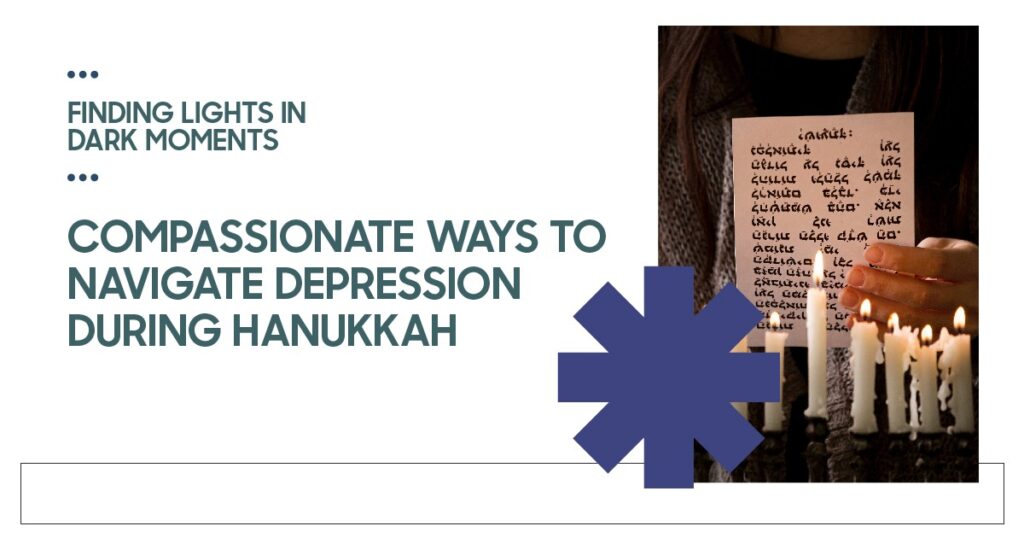
For many people, Hanukkah is a time of light, warmth, and celebration – a holiday centered around tradition, family gatherings, and spiritual meaning. Yet not everyone feels joyful during this time. For those experiencing depression during Hanukkah, the holiday can intensify emotions such as loneliness, grief, sadness, exhaustion, or a deep sense of disconnect. Even though Hanukkah symbolizes perseverance and hope, it can also bring pressure, complicated family dynamics, financial stress, or memories that feel especially heavy.
As the nights grow longer and winter deepens, some individuals experience seasonal affective disorder (SAD), which can overlap with holiday stress and create what is often called the Hanukkah holiday blues. Others struggle with grief during Hanukkah, missing loved ones who are no longer present for family rituals or meals. For those already navigating mental health challenges, these emotional layers can feel overwhelming.
This guide helps individuals learn compassionate strategies for coping with depression during Hanukkah, understanding emotional triggers, practicing supportive rituals, and knowing when to reach out for help. With the right support, it’s possible to move through the season with more clarity, groundedness, and connection.
Understanding Why Depression Can Deepen During Hanukkah
Not everyone feels uplifted by the holiday season. Emotional challenges during Hanukkah are more common than many realize, and acknowledging them is the first step toward healing.
Common reasons people experience depression during Hanukkah include:
- Family conflict or strained relationships
- Financial pressure related to gifts, gatherings, or travel
- Loneliness, especially when far from community or family
- Seasonal affective disorder (SAD) due to shorter daylight hours
- Grief, particularly for individuals missing loved ones
- Comparison, especially while scrolling through online celebrations
- Stress from expectations, whether cultural, religious, or personal
Recognizing that these feelings are valid helps reduce the shame often associated with holiday sadness.
Signs and Stressors of Depression During Hanukkah
Depression can manifest differently for each person, and symptoms may blend with holiday stress in ways that feel confusing or subtle.
Common signs include:
- Persistent sadness or emptiness
- Low motivation or energy
- Difficulty enjoying traditions or gatherings
- Irritability or emotional overwhelm
- Withdrawing from social events
- Changes in sleep or appetite
- Feeling disconnected from religious rituals
- Heightened grief or longing for past holidays
Below is a table outlining how stressors and symptoms commonly interact during the holiday.
Holiday Stressors vs. Emotional Symptoms During Hanukkah
| Holiday Stressor | How It Affects Mental Health | Possible Symptoms |
| Family conflict | Heightens emotional dysregulation | Irritability, withdrawal |
| Financial pressure | Increases stress and guilt | Fatigue, worry, sadness |
| Loneliness | Deepens feelings of isolation | Disconnection, hopelessness |
| Seasonal darkness | Triggers SAD symptoms | Low energy, oversleeping |
| Grief | Magnifies emotional memories | Crying spells, longing |
Identifying these patterns helps individuals understand when to take extra care or seek supportive tools.
Compassionate Strategies for Coping With Depression During Hanukkah
Managing depression during Hanukkah requires both emotional support and personalized coping strategies. Each person’s needs are unique, but several approaches can bring comfort and stability during the season.
Helpful coping strategies include:
- Simplifying holiday obligations
- Setting gentle expectations for yourself and others
- Creating a modified celebration that feels emotionally manageable
- Allowing space for difficult feelings instead of suppressing them
- Practicing grounding activities, such as journaling or mindful breathing
- Reaching out to a trusted person, a rabbi, or a mental health professional
- Scheduling downtime between gatherings or events
- Limiting social comparisons, especially on social media
Small intentional practices can help maintain emotional balance without overwhelming your mental or physical energy.
Using Mindful Traditions to Ease the Hanukkah Holiday Blues
Mindfulness doesn’t require perfection or rigid practice – it simply offers a way to stay present and grounded through emotional waves. For many, weaving mindfulness into Hanukkah traditions creates space for reflection and connection.
Examples of mindful holiday traditions include:
- Lighting the menorah with intention, focusing on warmth, gratitude, or hope
- Savoring quiet moments before or after gatherings
- Paying attention to sensory experiences like candlelight, music, or food
- Creating personal rituals, such as writing down a blessing or prayer
- Breathing deeply before engaging in stressful conversations
- Observing emotions without judgment, rather than resisting them
Below is a table showing how traditional rituals can be paired with grounding practices.
Pairing Hanukkah Traditions With Mindful Coping Techniques
| Hanukkah Ritual | Mindful Practice | Emotional Benefit |
| Lighting the menorah | Set an intention for each candle | Encourages hope and presence |
| Preparing food | Slow, mindful cooking | Reduces anxiety and builds calm |
| Family gatherings | Take breaks when overwhelmed | Prevents emotional overload |
| Gift-giving | Create handmade or low-cost gifts | Reduces financial stress |
| Prayer or blessings | Practice slow breathing | Regulates stress response |
Mindful traditions don’t erase depression, but they create meaningful spaces of grounding and calm.
Understanding Seasonal Affective Disorder During Hanukkah
Because Hanukkah occurs during late fall or winter, many individuals also struggle with seasonal affective disorder. SAD is a form of depression triggered by decreased daylight, disrupted circadian rhythms, and changes in serotonin and melatonin.
Common SAD symptoms around Hanukkah include:
- Low energy and heavy fatigue
- Increased sleeping or difficulty waking up
- Loss of interest in holiday activities
- Sugar or carb cravings
- Irritability
- Difficulty focusing
- Emotional heaviness
Helpful care routines include:
- Light therapy
- Morning sunlight exposure
- Regular sleep schedule
- Outdoor walks when possible
- Nutritious meals to stabilize mood
- Reducing alcohol or caffeine intake
- Speaking with a mental health professional
Combining these tools with emotional support makes holiday challenges more manageable.
Navigating Grief and Hanukkah Loneliness With Compassion
Grief during Hanukkah is extremely common – especially for individuals missing parents, partners, children, or loved ones who once filled the holiday with warmth. Traditions may feel different, quieter, or incomplete, which can make memories feel sharper.
Compassionate ways to honor grief include:
- Lighting a candle for someone you miss
- Sharing stories or memories at the table
- Making a favorite food in their honor
- Creating a dedicated moment of remembrance
- Allowing yourself to cry, journal, or express emotions freely
Loneliness can also intensify during the holiday, especially for those living far from their community or navigating life transitions.
Ways to ease Hanukkah loneliness:
- Attend local Jewish community events
- Call or video chat with family or friends
- Join virtual services or menorah lightings
- Invite one or two people to a low-pressure gathering
- Seek companionship through support groups or faith-based programs
Connection, even in small doses, can provide grounding during emotionally heavy seasons.
Finding Jewish Holiday Depression Support and Community Resources
There are many supportive spaces for individuals experiencing mental health challenges during Hanukkah. Local, religious, and mental health resources can provide tools, community, and professional guidance.
Helpful resources include:
- Community centers or synagogues offering holiday events
- Jewish organizations hosting support groups or gatherings
- Faith-based counseling services
- Mental health support programs
- Online Jewish communities offering connection and conversation
- Crisis resources for urgent emotional needs
Support is available, even when the holiday feels heavy or isolating.
Shining Light Toward Healing: Connect With Treat Mental Health California
If you’re navigating depression during Hanukkah, you don’t have to carry the weight alone. Whether you’re struggling with seasonal affective disorder, holiday stress, loneliness, or grief, compassionate help is available.
Reach out to Treat Mental Health California to explore supportive therapies, holiday mental health guidance, and personalized care designed to help you move through the season with clarity, grounding, and emotional support.
FAQs
1. What are effective strategies for coping with depression during Hanukkah?
Effective strategies include simplifying holiday obligations, practicing mindful rituals, and allowing space for emotional expression. Reaching out to supportive people or mental health professionals can also reduce feelings of isolation. Adjusting expectations and prioritizing rest can help maintain balance during emotionally heavy moments.
2. How can mindful traditions help ease the Hanukkah holiday blues?
Mindful traditions offer grounding by bringing attention to small moments of peace and connection. Practices like lighting the menorah with intention or savoring the warmth of candlelight can help regulate emotions. These simple rituals create a sense of calm and presence during a stressful season.
3. What are some signs and stressors of depression during Hanukkah?
Signs include sadness, irritability, lack of motivation, and difficulty enjoying gatherings. Stressors often involve family tension, loneliness, financial pressures, or memories of past Hanukkahs. Recognizing these patterns early allows individuals to take steps toward emotional care and support.
4. How does seasonal affective disorder affect people during Hanukkah, and what care routines can help?
Seasonal affective disorder leads to low energy, sleep changes, and increased sadness due to fewer daylight hours. Care routines such as light therapy, outdoor walks, and consistent sleep can help regulate mood. Professional support also provides tools to manage symptoms more effectively.
5. Where can one find Jewish holiday depression support and resources for Hanukkah loneliness support?
Support can be found through synagogues, community centers, mental health organizations, and online Jewish communities. Many offer holiday gatherings, grief groups, and emotional support. Treat Mental Health California can also provide individualized care for those struggling during the holiday season.